

Unwrapping the Future: Biodegradable Materials in Packaging
Most packaging still ends up in landfills, creating waste that lingers for decades. You want packaging that protects your products without harming the planet. Biodegradable packaging offers a clear path to cut down environmental impact while maintaining strength and reliability. In this post, you’ll learn how sustainable materials from ITB Packaging can meet your shipping needs and support your eco-friendly goals. Explore more about biodegradable materials here.
The Rise of Biodegradable Packaging
In recent years, the shift towards environmentally friendly solutions has become more prominent, especially in the packaging industry. As businesses strive to reduce their ecological footprint, biodegradable packaging offers a viable alternative that aligns with sustainable goals.
Understanding Biodegradable Materials
Biodegradable materials break down naturally through the action of microorganisms, turning into water, carbon dioxide, and biomass. These materials are sourced from renewable resources, such as plant fibers, making them a sustainable choice. By opting for biodegradable options, you ensure that your packaging decomposes without leaving harmful residues.
One popular biodegradable material is polylactic acid (PLA), derived from fermented plant starch. It’s widely used in packaging due to its versatility and ability to degrade in industrial composting facilities. Another option is paper-based packaging, which is both recyclable and biodegradable, providing a dual benefit. These materials not only reduce waste but also appeal to eco-conscious consumers, boosting your brand’s green credentials.
Key Benefits for Businesses
Adopting biodegradable packaging offers numerous advantages for your business. Firstly, it enhances your brand image by showcasing your commitment to sustainability. Customers are increasingly favoring companies that prioritize the environment, and using eco-friendly packaging can set you apart from competitors.
Moreover, biodegradable packaging can reduce waste disposal costs. As these materials break down naturally, they lessen the burden on landfills, which can translate to savings for your business. Additionally, using plant-based materials often requires less energy in production, potentially lowering your overall carbon footprint. By making this switch, you not only benefit the planet but also enhance your operational efficiency.
Sustainable Materials in Action
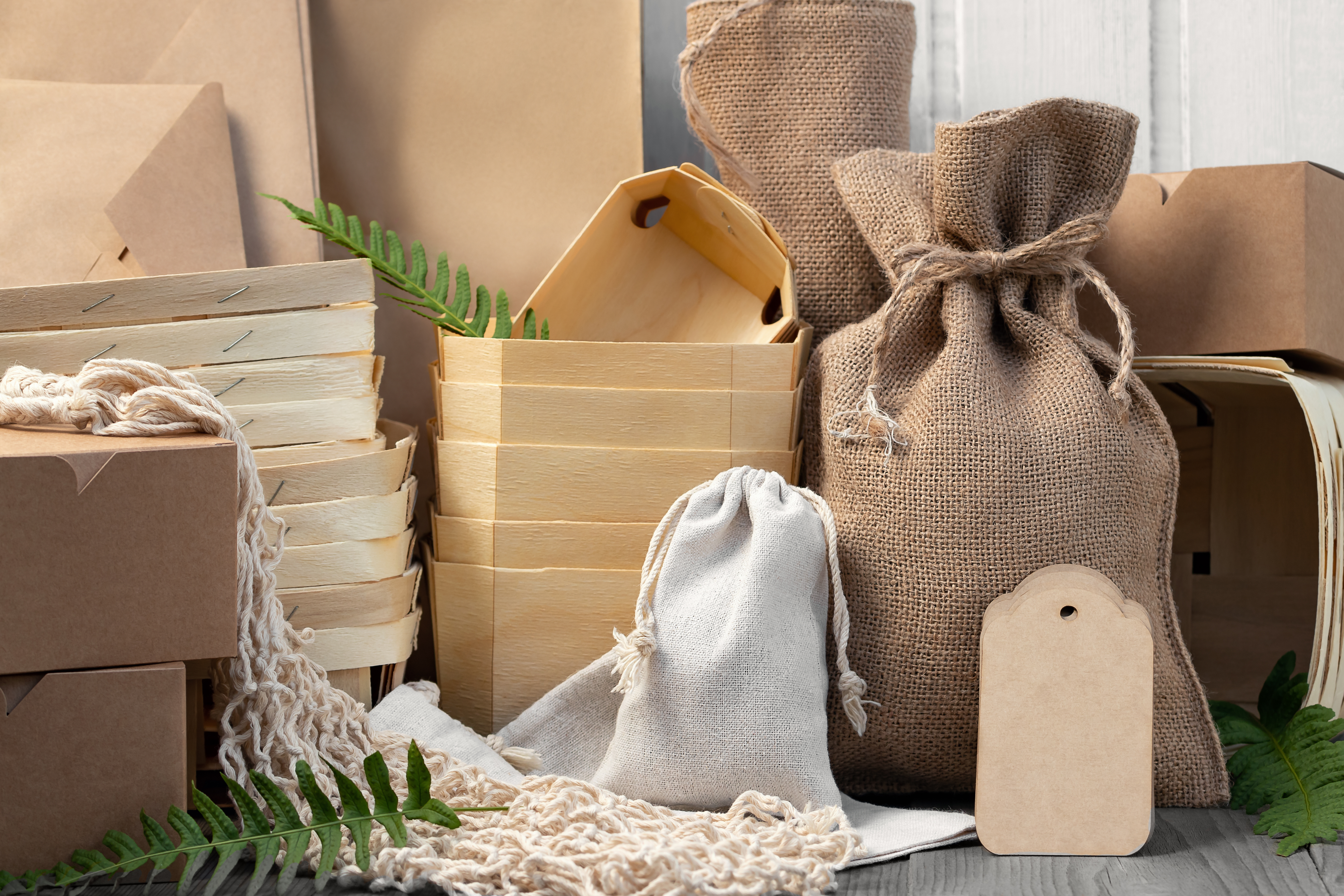
Seeing biodegradable packaging in action sheds light on the tangible impacts it can have on the environment. Numerous businesses have already embraced these materials, setting examples for others to follow.
Examples of Eco-Friendly Packaging
Take the example of a small e-commerce company that switched to biodegradable mailers. They noticed a significant decrease in customer complaints about packaging waste. The company shared their journey in a blog, highlighting how the new packaging dissolved in compost bins, earning positive feedback from eco-conscious buyers.
Cornstarch packaging: Ideal for loose-fill packing peanuts, they dissolve in water, reducing clutter.
Mushroom packaging: Grown from agricultural waste, this packaging is not only biodegradable but compostable at home.
Bagasse packaging: Made from sugarcane fibers, it’s perfect for food containers, offering a sturdy yet sustainable option.
These real-world applications demonstrate how biodegradable materials can effectively replace conventional packaging, making them a practical choice for businesses aiming to reduce their environmental impact.
ITB Packaging’s Offerings
ITB Packaging stands out as a leader in providing sustainable solutions. Their range includes biodegradable options tailored to meet the needs of diverse industries. From durable shipping boxes to custom designs, they offer eco-friendly alternatives without compromising on quality.
Their biodegradable packaging solutions are not only environmentally friendly but also designed to ensure product safety during transit. This means you can protect your goods and the planet simultaneously. ITB Packaging also offers customized solutions, allowing you to align packaging with your brand identity, giving you an edge over competitors in the eco-conscious market.
Future of Environmentally Conscious Packaging
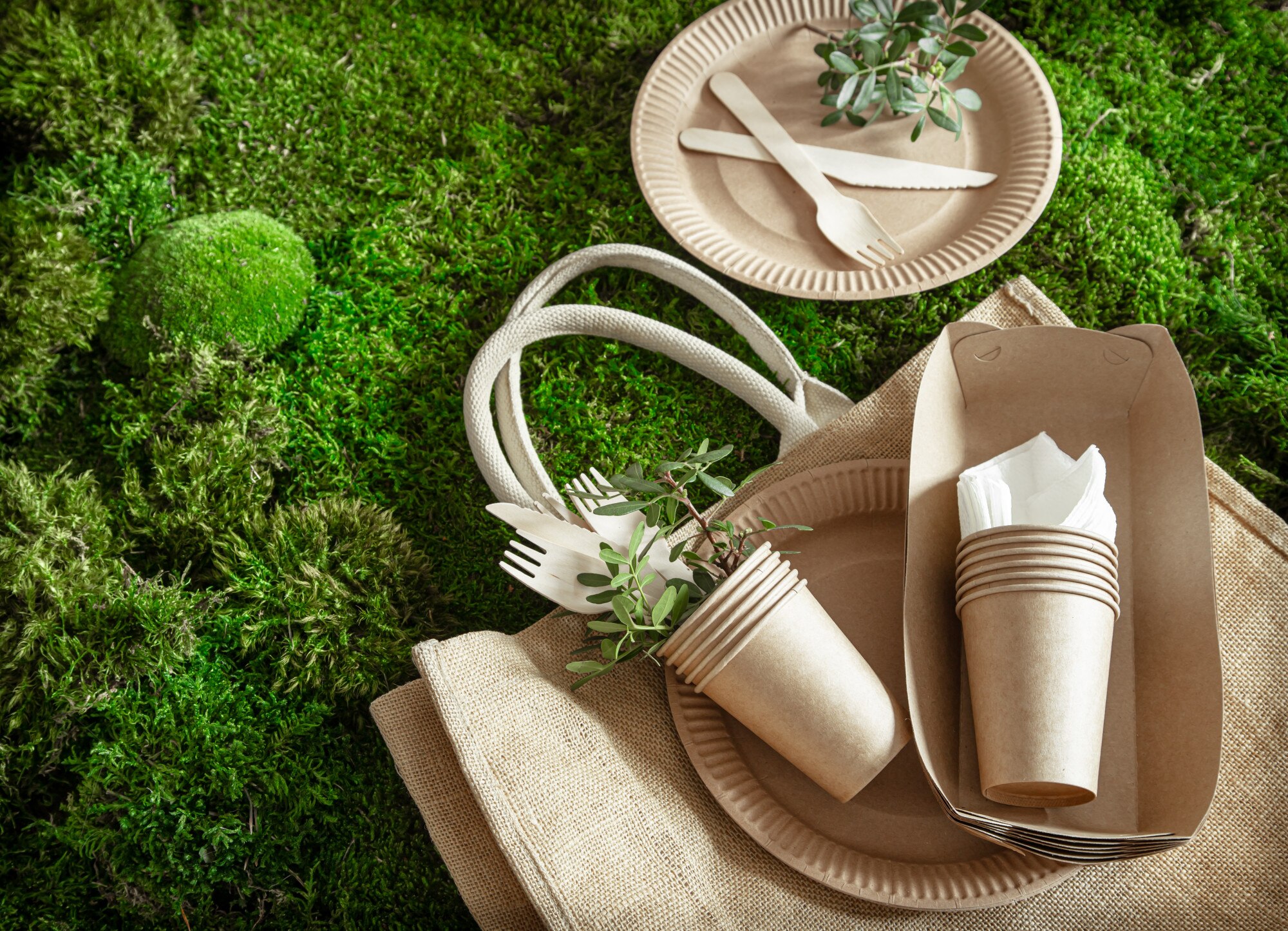
The packaging industry is on the brink of a transformation, driven by increasing demand for sustainable solutions. Looking ahead, several trends are set to define the future of environmentally conscious packaging.
Trends in Sustainable Practices
One significant trend is the rise of smart packaging technology, which incorporates biodegradable materials with digital features. This fusion not only enhances user experience but also reduces environmental impact. Additionally, there’s a growing emphasis on circular economy practices, where materials are reused and recycled, minimizing waste.
Another trend is the development of packaging from biodegradable plastics that can degrade in natural environments. This represents a significant advancement, as traditional plastics take hundreds of years to decompose. By embracing these trends, businesses can stay ahead of the curve and contribute to a more sustainable future.
For more insights into the latest biodegradable packaging trends, check out this resource.
How to Transition Your Business
Transitioning to biodegradable packaging requires strategic planning. Here are some steps to help your business make the switch:
Assess Your Needs: Determine which packaging components can be replaced with biodegradable alternatives. Consider the nature of your products and their shipping requirements.
Partner with Experts: Collaborate with suppliers like ITB Packaging who specialize in sustainable solutions. They can provide guidance and customized options tailored to your needs.
Educate Your Team: Ensure your team understands the benefits and applications of biodegradable materials. This will facilitate a smoother transition and foster a culture of sustainability.
Communicate with Customers: Highlight your commitment to sustainability in your marketing. Educate customers about the benefits of your new packaging to enhance brand loyalty.
By following these steps, you can not only reduce your environmental impact but also position your business as a leader in sustainable practices. The longer you wait, the more opportunities you might miss to appeal to eco-conscious consumers. Make the transition today and contribute to a greener future.