

Combined Packaging Strategies in Automotive Industry
Balancing Expendable and Returnable

In this article:
- Overview
- Definition and Types of Returnable Transport Packaging
- Common Scenarios for Implementing Combined Packaging Strategies
- Benefits of a Combined Packaging Approach
- Challenges in Managing Dual Packaging Systems
- Optimizing the Balance Between Expendable and Returnable Packaging
- Technology Integration for Dual Packaging Management
- Adapting Combined Strategies to Different Automotive Supply Chain Tiers
- Conclusion and Key Takeaways
Overview
OEMs and Tier 1 suppliers face increasingly complex supply chain challenges that traditional packaging approaches struggle to address. While expendable versus returnable packaging debates persist, leading manufacturers have moved beyond this limited either-or mindset. They’ve discovered that strategically integrating both packaging types delivers superior results – especially when managing diverse supplier networks, varying production volumes, and evolving sustainability mandates. Through industry-wide collaboration, this integrated approach to packaging in automotive industry applications doesn’t just solve immediate logistics challenges; it creates resilient supply chains that can adapt quickly to market shifts while maintaining strict quality standards.
Definition and Types of Returnable Transport Packaging
Building on decades of industry experience, returnable transport packaging in the automotive sector has become increasingly sophisticated. This packaging category encompasses a wide range of durable containers designed for multiple supply chain trips, offering economic and environmental advantages over single-use alternatives.
Several key features characterize returnable packaging:
- Reusability: Designed for multiple use cycles, often lasting several years
- Durability: Constructed to withstand repeated handling, stacking, and transportation
- Standardization: Often engineered to industry-specific dimensions for efficient stacking and transport
Try our free Packaging Strategy Evaluation Framework to assess whether a combination of returnable and expendable packaging best fits your needs.
Common Scenarios for Implementing Combined Packaging
Automotive manufacturers face diverse packaging demands from high-volume production lines to specialty components. Understanding common implementation scenarios helps identify where combination packaging solutions deliver the most value.
1. Mixed-Distance Supply Chain Applications
- Local/Regional Operations (0-500 miles)
—Returnable packaging for consistent, high-volume local routes
—Expendable packaging as backup during peak demand periods
—Combined solutions for routes with unbalanced return logistics
Example: A Tier 1 supplier using returnable containers for regular deliveries to local OEM plants while maintaining expendable options for overflow shipments and International orders.
- International/Long-Distance (500+ miles)
—Expendable packaging for overseas shipments (the most common type used for the international shipment of service parts)
—Returnable packaging for steady-volume domestic lanes
—Custom solutions for cross-border closed loops
2. Product Lifecycle Stages
- Launch Phase
—Expendable packaging for initial production runs
—Flexible solutions while optimizing part density and validating pack sizes
—Transitional packaging during volume ramp-up to full production
- Steady-State Production
—Returnable packaging for established high-volume parts
—Combined solutions to handle volume fluctuations
—Standardized packaging for consistent suppliers
- End-of-Life Management
—Expendable packaging for declining volumes
—Flexible solutions for irregular shipment patterns
—Cost-effective options for limited production runs
3. Supplier Capability Alignment
Align packaging strategy with supplier infrastructure and volume considerations. Higher-volume suppliers with established shipping lanes often justify returnable investment, while those with lower or irregular volumes may benefit from expendable solutions.
- Large, Established Suppliers
—Integrated returnable programs
—Standardized packaging specifications
—Automated handling systems compatibility
- Smaller or Emerging Suppliers
—Expendable packaging for lower volumes
—Flexible solutions requiring minimal investment
—Scalable options as volumes increase
4. Part Characteristics Applications
- High-Value Components
—Custom returnable packaging with enhanced protection
—Specialized dunnage for sensitive surfaces
—Tracking systems for container management
- Standard Production Parts
—Mix of returnable and expendable based on volume
—Standardized cell sizes for multiple part numbers
—Flexible divider systems for various configurations
- Raw Materials
—Bulk expendable packaging for basic materials
—Returnable containers for frequent deliveries
—Combined solutions for varying order quantities
5. Production Volume Management
- Baseline Production
—Core returnable packaging fleet for steady volumes
—Standard container sizes and configurations
—Integrated handling and storage systems
- Peak Demand Periods
—Supplemental expendable packaging for surges
—Flexible solutions for temporary storage
—Quick-deploy options for unexpected spikes
6. Reverse Logistics Optimization
- Efficient Return Routes
—Dedicated returnable container programs
—Optimized container collapse ratios
—Scheduled return logistics planning
- Limited Return Options
—Expendable solutions for problematic routes
—One-way packaging for remote locations
—Combined systems for seasonal operations
Taking this structured approach helps you evaluate your packaging requirements based on specific operational scenarios.
Explore our range of expendable and returnable packaging solutions designed specifically for automotive applications.

20# Kraft with Interleaf
Enlarge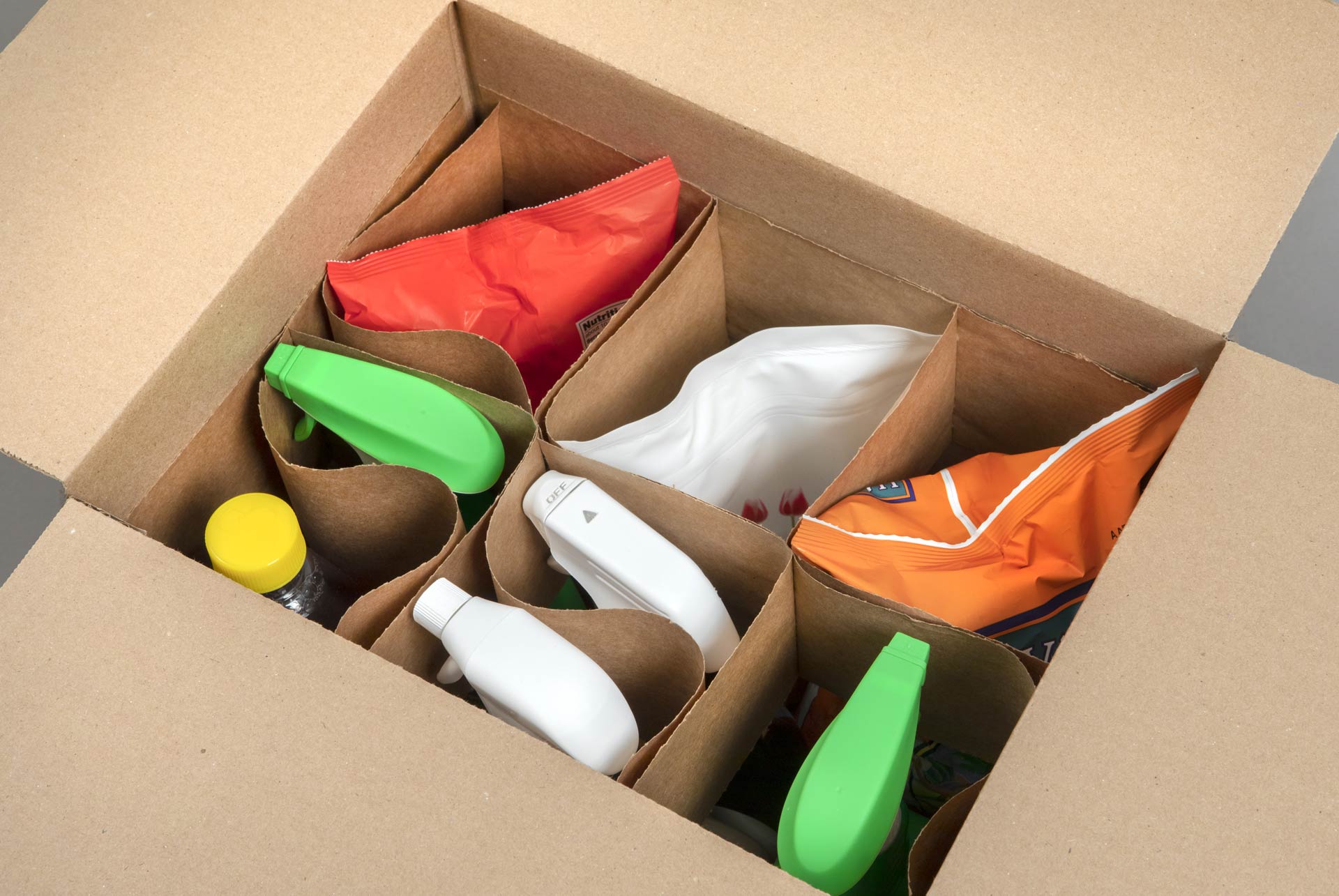

LX High Density Cells
Enlarge

Blue Plush in Tote Close Up
Enlarge
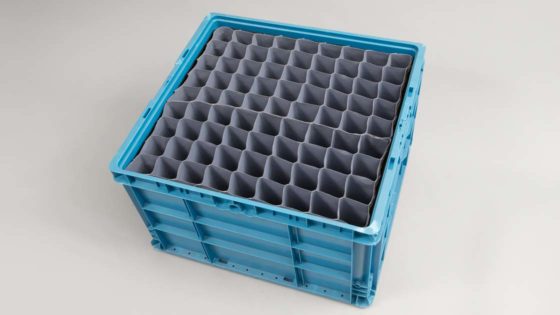
Blue Plush in Tote
Enlarge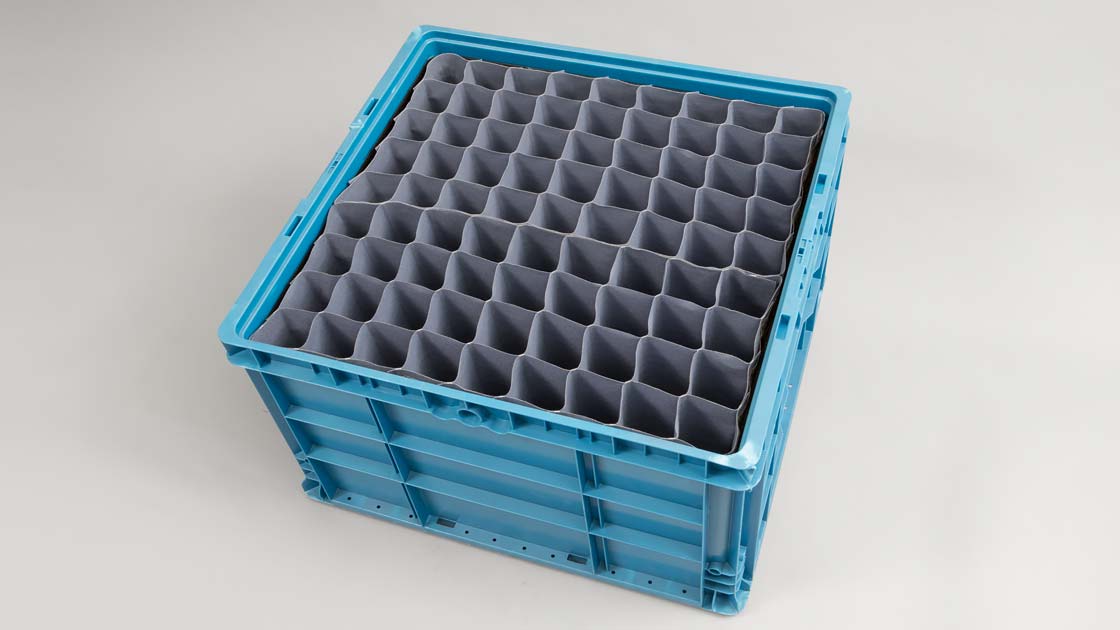

LX Fabric nesting
Enlarge

Blue Plush Varied Cells
Enlarge

Bulk Bin Interleaf Cells
Enlarge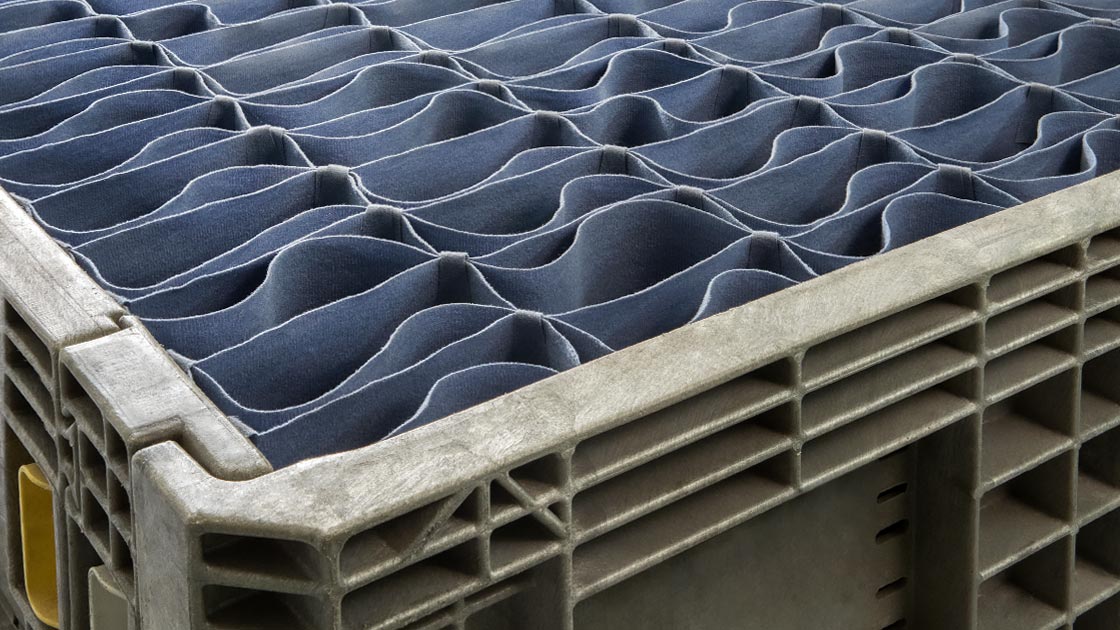

Blue Plush Nesting
Enlarge

LX Fabric
Enlarge

20# Smooth Kraft
Enlarge

In-The-Box Elite Fabric
Enlarge

20# Kraft Example
Enlarge

In-the-Box Nomar Varied Cells
Enlarge
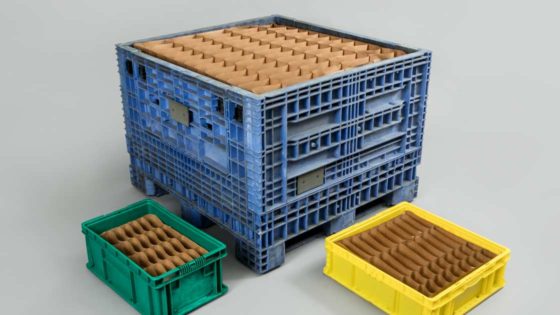
Pop-N-Drop 20# Kraft
Enlarge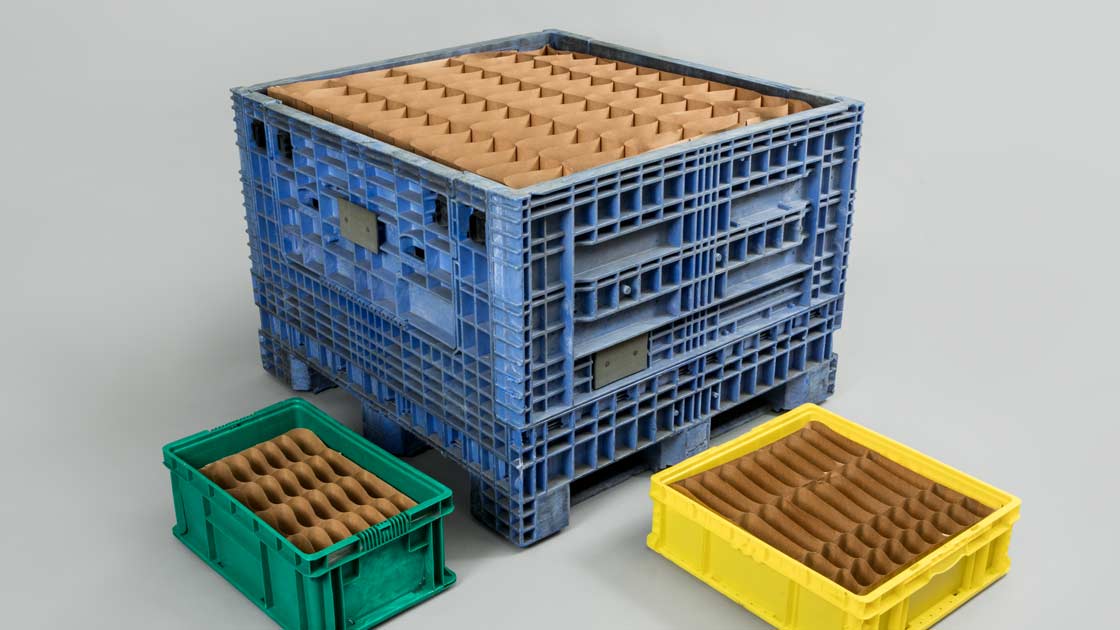

Pop-N-Drop 20# Kraft Bin
Enlarge

20# Kraft
Enlarge

Smooth Kraft with Nomar Coating
Enlarge
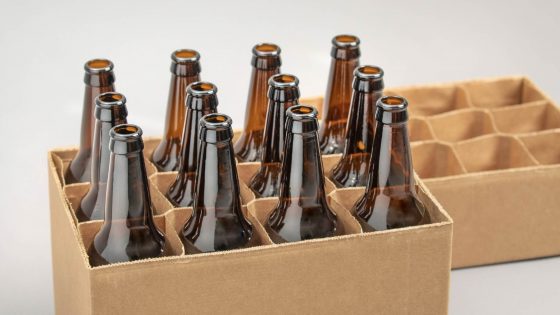
20# Kraft Easy Open Perf
Enlarge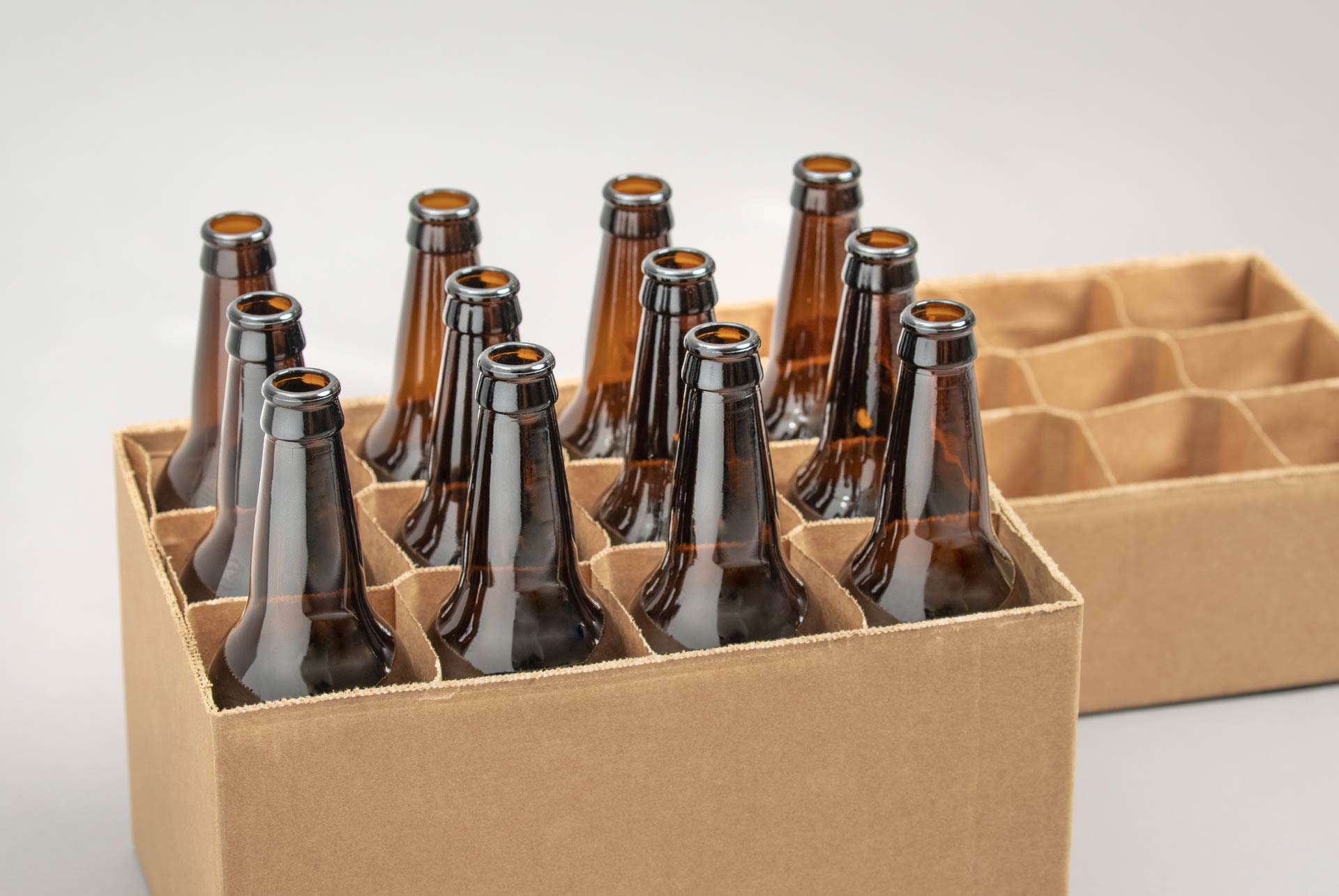

Beauty Industry Packaging
Enlarge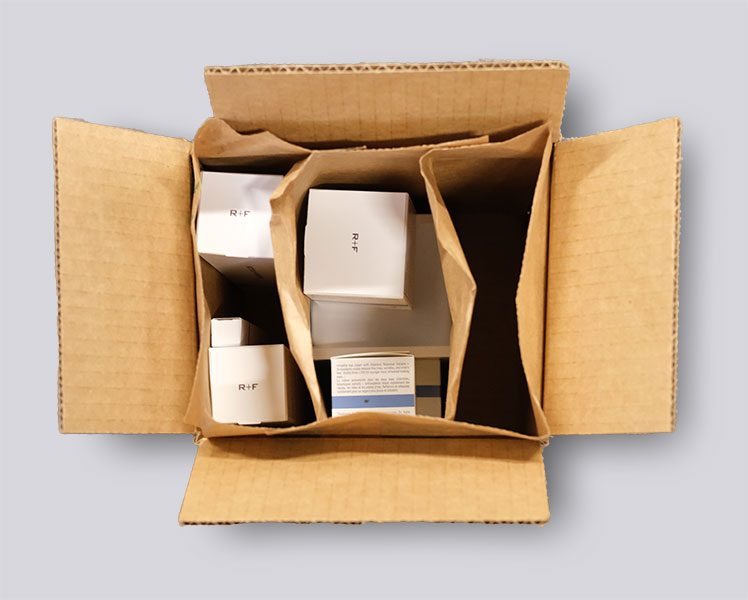

Packaging for personal care products
Enlarge
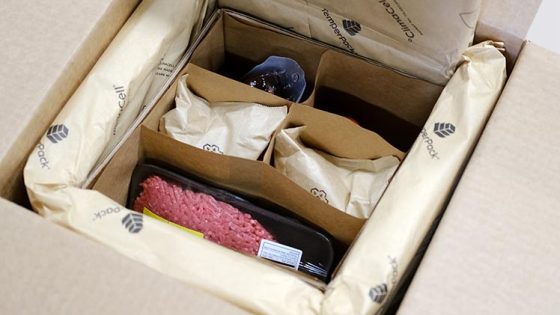
Cold-chain Solutions
Enlarge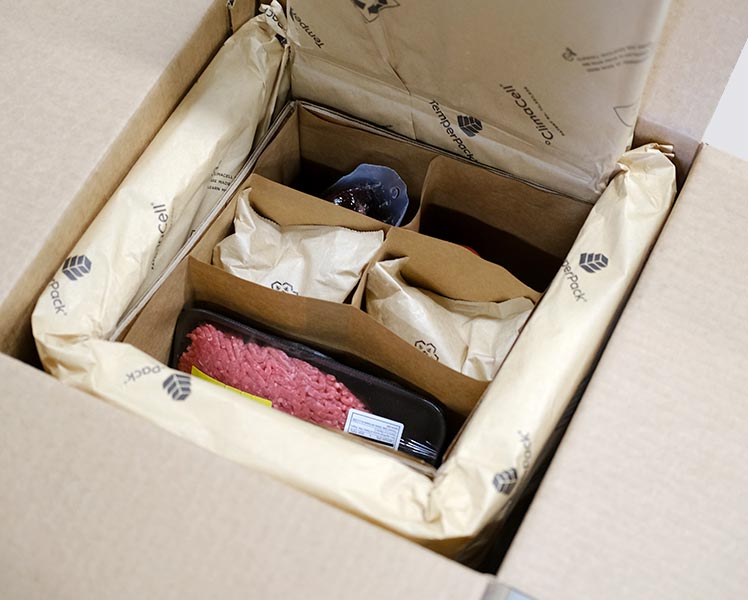

Smooth Kraft with Nomar Coating Innerleaf In The Box
Enlarge

Smooth Kraft with Nomar Coating Divider
Enlarge

ESD In The Box
Enlarge

LX Tote With Dust Cover
Enlarge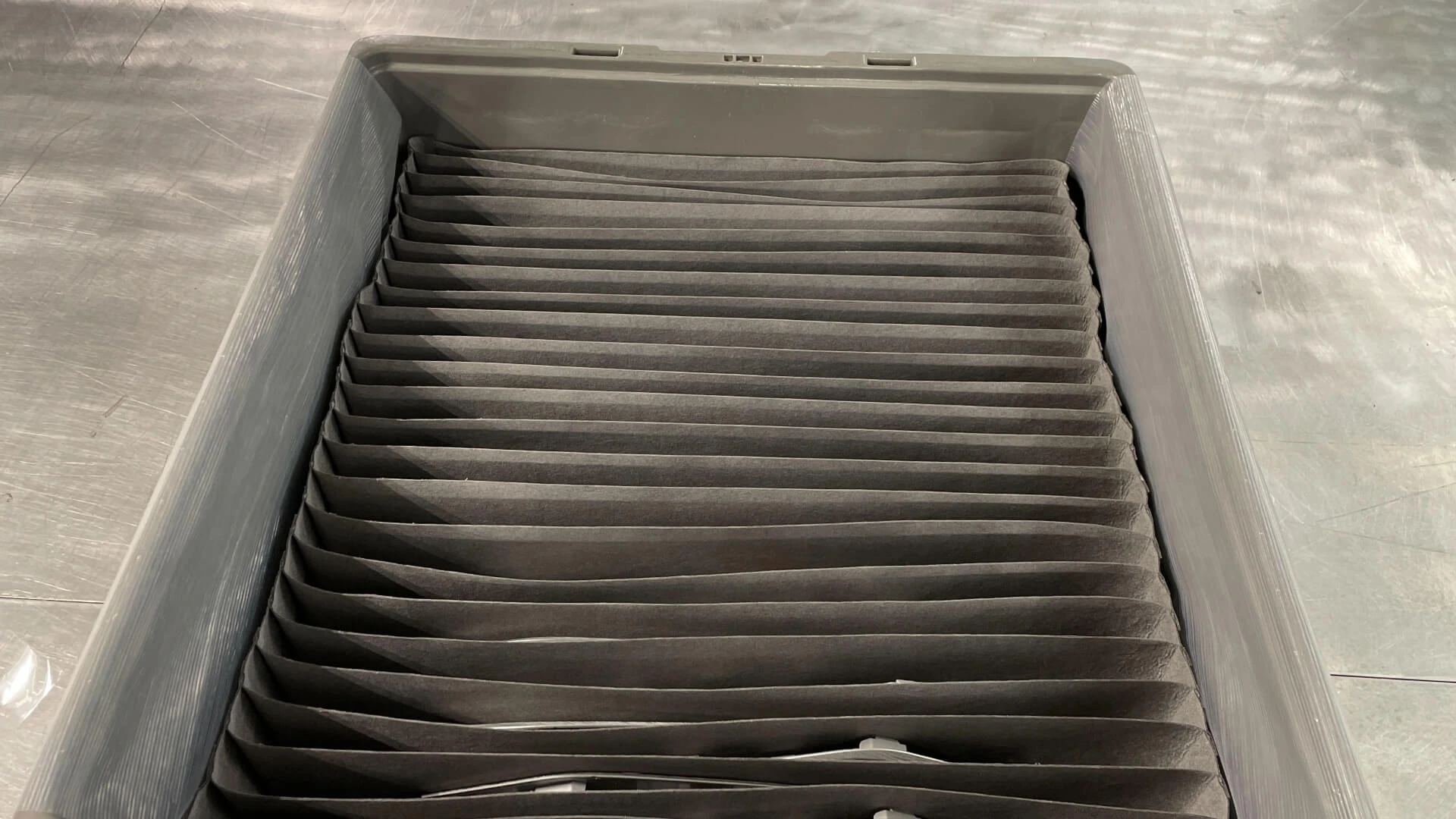

Returnable Tote With Dust Cover
Enlarge

Nomar Pop-N-Drop For Automotive Parts
Enlarge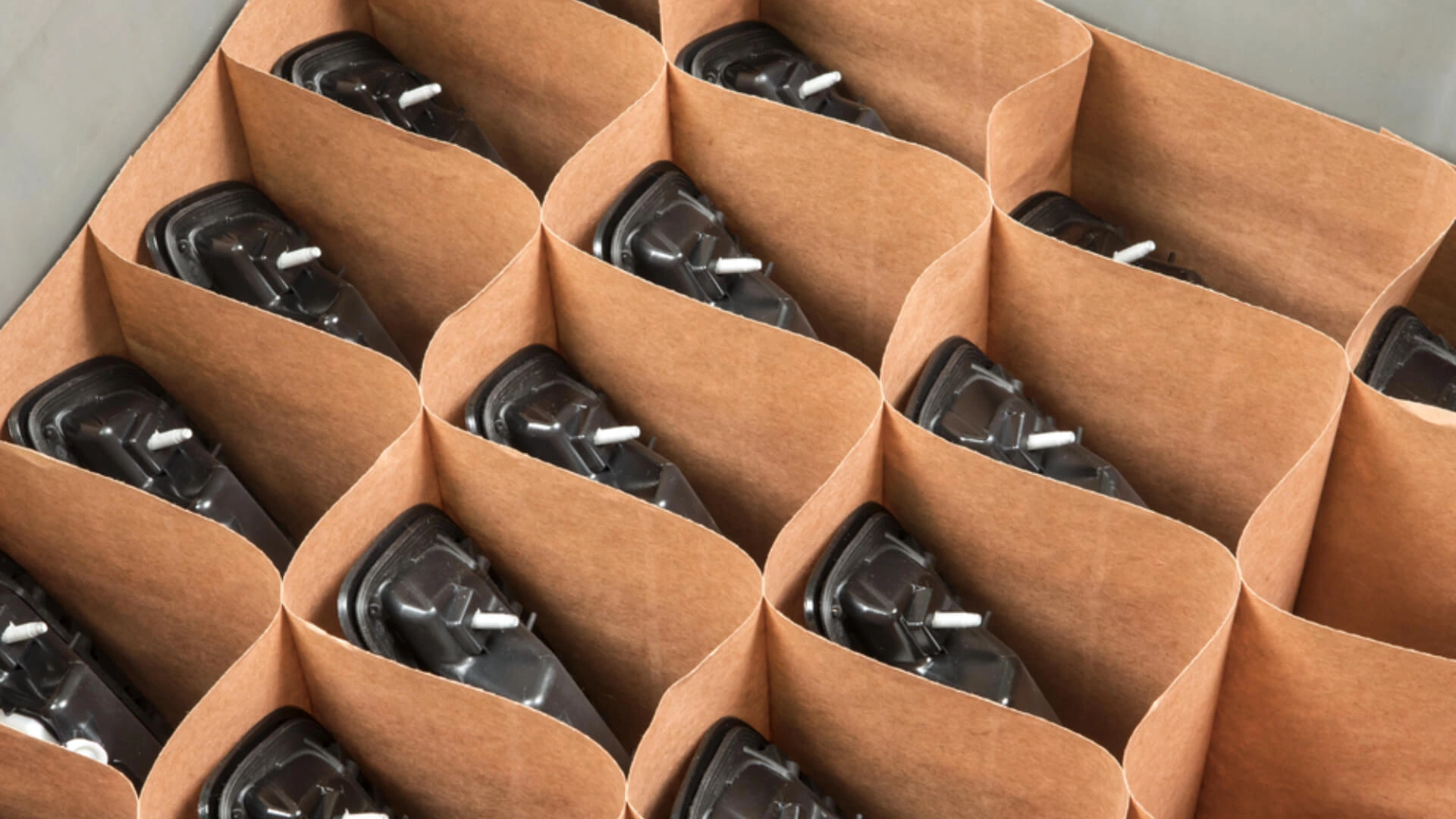

Nomar Innerleaf In The Box For Automotive Parts
Enlarge

Nomar In The Box For Roof Consoles
Enlarge

LX Returnable Totes
Enlarge
Benefits of a Combined Packaging Approach in Automotive Supply Chains
When properly implemented across these scenarios, combined packaging strategies deliver measurable advantages. Here’s how combining expendable and returnable solutions creates value across different aspects of your operation:
1. Supply Chain Flexibility
A properly designed combined packaging system gives you precise control over your supply chain operations:
- Demand Responsiveness
—Deploy expendable solutions for unexpected volume spikes
—Maintain your returnable fleet at optimal baseline capacity
—Scale packaging resources without overinvesting in containers
- Route Optimization
—Match packaging types to specific shipping lanes
—Reduce empty returns on inefficient routes
—Optimize container utilization across your network
Example: ITB’s customers have achieved measurable cost savings by maintaining returnable packaging for baseline production while using expendable solutions for managing seasonal peaks and production spikes.
2. Cost Structure Advantages
Make informed packaging investments based on real operational needs:
- Capital Efficiency
—Minimize initial investment by targeting returnable solutions where ROI is highest
—Reduce container float requirements through strategic expendable use
—Lower overall system costs by eliminating inefficient return logistics
- Operational Savings
—Cut labor costs through simplified handling procedures
—Decrease damage rates with application-specific protection
—Reduce warehouse space requirements with collapsible solutions
Example: ITB’s customers report significant cost savings through the strategic use of expendable packaging during peak seasons while maintaining returnable programs for steady-state production.
3. Enhanced Risk Management
Protect your operations against supply chain disruptions:
- Supply Chain Resilience
—Maintain production during container shortages or delays
—Quickly adapt when suppliers change from local to overseas sourcing
—Handle unexpected shipping lane disruptions without production interruption
4. Part Protection Optimization
Match protection levels precisely to component requirements:
- Surface Quality Assurance
—Specialized returnable materials for Class A surfaces
—Cost-effective expendable solutions for basic components
—Custom dunnage designs for complex geometries
- Damage Reduction
—Targeted protection for high-risk components
—Standardized packaging for similar part families
—Validated solutions for specific handling challenges
5. Inventory Management Benefits
Achieve better control over your packaging and parts inventory:
- Space Utilization
—Optimize warehouse space with collapsible containers
—Reduce packaging storage requirements
—Maintain flexible storage capacity for peak periods
- Stock Management
—Track returnable assets more effectively
—Simplify packaging inventory counts
—Reduce packaging shortage risks
6. Sustainability Advantages
Balance environmental goals with operational requirements:
- Resource Optimization
—Deploy returnable packaging where environmental impact is highest
—Use recyclable expendable materials for appropriate applications
—Reduce overall packaging material consumption
- Waste Reduction
—Minimize landfill impact through strategic packaging choices
—Implement recycling programs for expendable materials
—Extend packaging lifecycle through proper maintenance
Did you know? ITB’s integrated packaging has been shown to reduce cost per part by up to 65%.
Challenges in Managing Dual Packaging Systems
1. Logistics Complexity
Managing parallel packaging streams requires careful coordination:
- Container Management Challenges
—Tracking different packaging types across multiple shipping lanes
—Managing container return cycles that vary by distance and route
—Coordinating packaging availability across supplier locations
Solution Focus: Implement clear tracking protocols and define specific use cases for each packaging type.
2. Administrative Overhead
Dual systems can strain management resources:
- Documentation Requirements
—Maintaining separate packaging specifications
—Managing multiple supplier agreements
—Tracking costs across different packaging types
Solution Focus: Standardize documentation and automate tracking where possible.
3. Staff Training Needs
Operating multiple packaging types increases training complexity:
- Handling Procedures
—Different handling requirements for each packaging type
—Varied assembly and breakdown procedures
—Multiple quality inspection standards
Solution Focus: Develop clear visual aids and standardized training modules.
4. Quality Control Complexities
Maintaining consistent protection standards across different packaging types:
- Protection Validation
—Meeting different surface protection requirements (from basic components to Class A finishes)
—Varying durability standards between types
—Managing cleanliness standards for returnable packaging
—Validating expendable solutions for international shipments
Solution Focus: Establish clear quality metrics and regular audit procedures
5. Space Management Issues
Balancing storage needs for different packaging types:
- Storage Logistics
—Managing space for both expendable and returnable inventory
—Organizing multiple packaging configurations
—Handling seasonal storage requirements
Solution Focus: Implement zone-based storage systems and dynamic space allocation
6. Cost Control Challenges
Tracking and optimizing expenses across dual systems:
- Financial Management
—Monitoring costs for both packaging streams
—Calculating accurate total cost of ownership
—Justifying investment decisions
Solution Focus: Deploy comprehensive cost tracking systems with clear allocation methods
7. Technology Integration
Connecting systems to manage multiple packaging types:
- System Requirements
—Supporting different tracking methods
—Managing varied data collection needs
—Integrating with existing ERP systems
Solution Focus: Choose scalable platforms that can handle multiple packaging types (See “Technology Integration for Combination Packaging Management” below)
Try our free Packaging Strategy Evaluation Framework to assess which combination best fits your needs.
Optimizing the Balance Between Expendable and Returnable Packaging
1. Data-Driven Decision Making
Your packaging mix should reflect actual operational data, such as:
- Performance Metrics
—Track damage rates by packaging type and route
—Monitor part density, container utilization, and return cycles
—Document freight and labor savings
- Volume Analysis
—Map shipping patterns and seasonal fluctuations
—Document supplier delivery frequencies
—Analyze parts-per-container efficiency
- Cost Tracking
—Calculate total cost of ownership for each solution
—Monitor return logistics expenses
—Track maintenance and replacement costs
2. Regular Assessment and Adjustment
Success requires continuous system refinement based on:
- Performance Reviews
—Evaluate packaging effectiveness quarterly
—Analyze damage reports and root causes
—Review supplier feedback and compliance
- Market Changes
—Adjust for shifting production volumes
—Respond to new shipping lane requirements
—Adapt to evolving customer needs
3. Supplier Integration
Align packaging strategies across your supply chain through:
- Collaborative Planning
—Develop shared packaging standards
—Coordinate container management
—Establish clear handling procedures
- Performance Monitoring
—Track supplier packaging compliance
—Measure container return efficiency
—Document handling damage rates
4. Technology Utilization
Leverage technology to manage dual packaging systems:
- Tracking Systems
—Implement RFID or barcode tracking
—Use IoT sensors for container monitoring
—Deploy automated inventory management
- Data Analytics
—Predict packaging needs using historical data
—Optimize container routes and return cycles
—Model cost scenarios for different packaging mixes
5. Standardization Efforts
Create consistent processes across your packaging system:
- Design Standards
—Develop modular packaging solutions
—Standardize container sizes when possible
—Create common dunnage specifications
- Process Standards
—Implement uniform handling procedures
—Establish consistent quality checks
—Define clear cleaning and maintenance protocols
6. Lean Implementation
Apply lean principles to packaging management:
- Waste Reduction
—Minimize packaging material usage
—Optimize container designs for efficiency
—Reduce unnecessary handling steps
- Process Improvement
—Streamline packaging changeovers
—Improve workplace organization
—Implement visual management systems
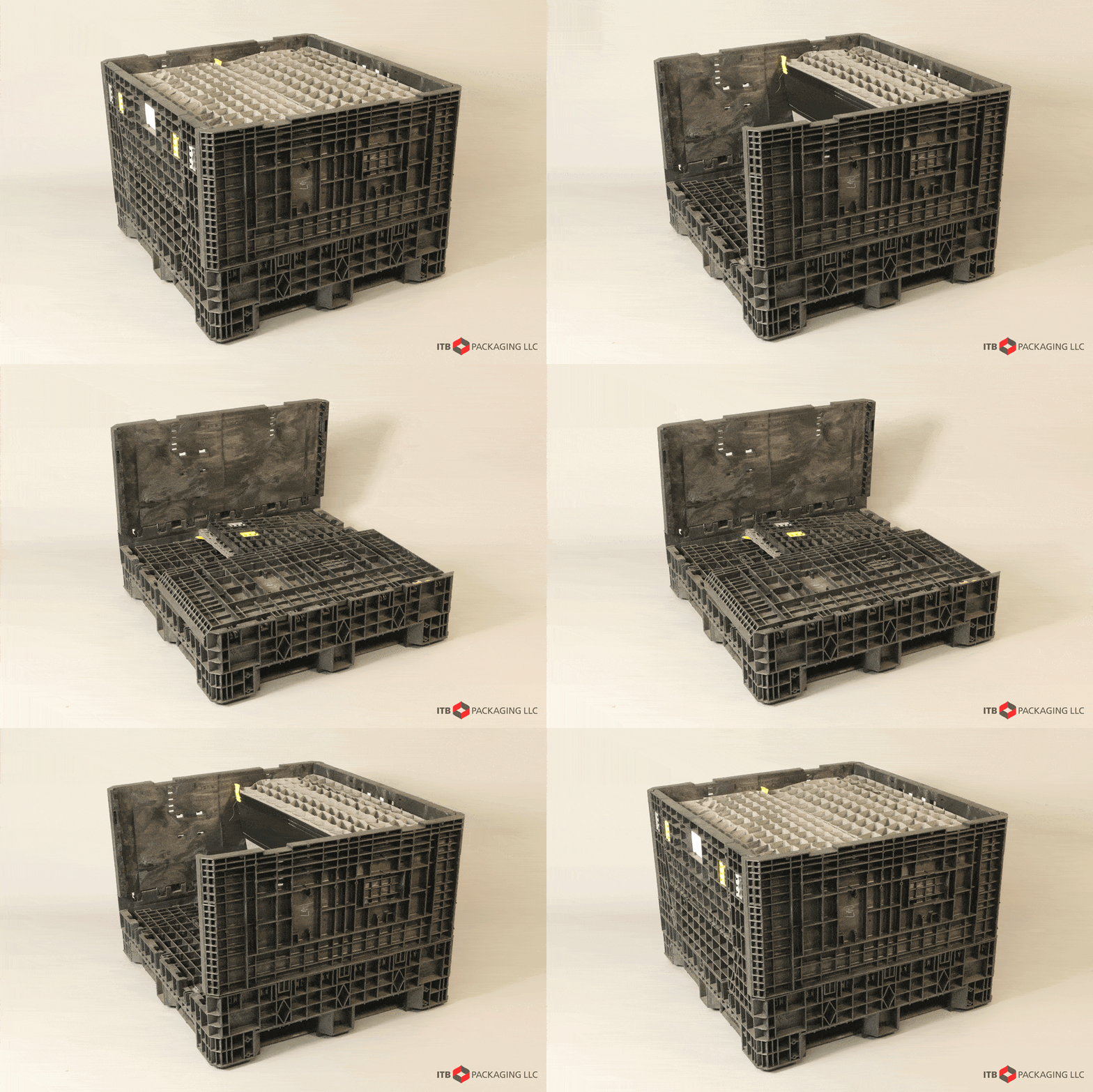
ITB Packaging offers single-SKU, collapsible designs that combine dunnage and dividers, optimizing space and reducing handling time.
Technology Integration for Combined Packaging Management
Managing combined packaging systems effectively requires robust technology solutions. Here’s how to leverage technology for optimal results:
1. RFID and IoT Integration
Modern tracking technologies transform packaging management:
- Real-Time Tracking
—Monitor container locations across your network
—Track dwell times at supplier locations
—Identify bottlenecks in return cycles
- Condition Monitoring
—Deploy impact sensors for damage prevention
—Monitor temperature and humidity exposure
—Track container lifecycle status
- Automated Inventory Management
—Maintain accurate container counts
—Trigger automatic reordering
—Monitor packaging utilization rates
2. Data Analytics and AI
Transform packaging data into actionable insights:
- Predictive Analytics
—Forecast packaging needs by location
—Optimize container fleet size
—Prevent packaging shortages
- Performance Optimization
—Analyze route efficiency
—Identify cost-saving opportunities
—Model packaging scenarios
- Continuous Improvement
—Track KPIs automatically
—Generate performance reports
—Identify trending issues
3. Design Software Integration
Optimize packaging designs for both types:
- 3D Modeling
—Design custom dunnage solutions
—Validate pack density improvements
—Test new packaging concepts virtually
- Simulation Testing
—Model impact resistance
—Verify stacking strength
—Validate handling procedures
4. Automated Systems
Streamline packaging operations:
- Robotic Packing
—Automate repetitive packing tasks
—Ensure consistent protection
—Reduce labor requirements
- Smart Conveyor Systems
—Route packages automatically
—Track container movements
—Optimize workflow patterns
5. Smart Materials
Integrate advanced packaging materials:
- Damage Indicators
—Monitor impact exposure
—Track temperature violations
—Alert to moisture damage
- Active Protection
—Deploy smart cushioning
—Use phase-change materials
—Implement protective coatings
Did you know? ITB’s solutions minimize initial investments by eliminating the need for separate tooling and die-cut processes, simplifying reverse logistics with collapsible designs that save space during returns.
Adapting Combined Packaging Strategies to Different Automotive Supply Chain Tiers
While technology enables combined packaging management, implementation strategies must be tailored to each tier’s specific requirements in the automotive supply chain. Here’s how each tier can optimize their approach:
OEM Requirements
Original Equipment Manufacturers set the foundation:
- High-Volume Production
—Standardized returnable packaging for steady-state production
—Expendable solutions for low-volume specialty parts
—Advanced tracking systems for container management
- Quality Standards
—Class A surface protection requirements
—Standardized packaging specifications
—Validated cleaning procedures
- Integration Demands
—Cross-dock compatibility for sequenced deliveries
—Automated handling systems integration
—Standardized container sizes for efficient storage
Tier 1 Suppliers
Direct OEM suppliers balance multiple requirements:
- Direct OEM Shipments
—Returnable packaging aligned with OEM standards
—Custom dunnage for complex assemblies
—Integrated tracking systems
- International Logistics
—Expendable packaging for overseas shipments
—Combined solutions for cross-border operations
—Specialized protection for long-distance transport
- Mixed Production
—Flexible packaging for assembly-level components vs individual parts
—Multiple container sizes to accommodate varied subassemblies
—Adaptable dunnage for different surface finish requirements
Tier 2 Suppliers
Component manufacturers require adaptable solutions:
- Volume Considerations
—Mixed packaging based on part complexity
—Flexible solutions for varying order sizes
—Cost-effective protection methods
- Multiple Customers
—Adaptable packaging for different requirements
—Universal dunnage designs where possible
—Efficient changeover processes
- Cost Management
—Strategic returnable investments
—Bulk packaging options
—Simplified handling systems
Tier 3 Suppliers
Raw material providers focus on efficiency:
- Material Protection
—Bulk expendable packaging for raw materials
—Basic returnable containers for regular shipments
—Standard protection methods
- Volume Efficiency
—High-density packaging designs
—Simplified handling requirements
—Basic tracking systems
- Cost Focus
—Minimal packaging complexity
—Standard container sizes
—Basic protection requirements
Cross-Tier Considerations
Consider these success factors across all tiers:
- Communication
—Clear packaging specifications
—Standardized labeling systems
—Consistent quality standards
- Flexibility
—Adaptable packaging designs
—Scalable solutions
—Quick changeover capabilities
- Cost Control
—Optimized material usage
—Efficient return logistics
—Minimized handling requirements
Try our free Packaging Strategy Evaluation Framework to assess whether a combination of returnable and expendable packaging best fits your needs.
Summary and Key Takeaways
The complexity of automotive supply chains demands thoughtful implementation of combined packaging strategies across all tiers. Success depends on matching your packaging mix to specific operational requirements while maintaining the flexibility to adapt as conditions change.
As automotive manufacturing continues to evolve with new materials, technologies, and supply chain demands, combined packaging strategies provide the flexibility needed to remain competitive while controlling costs and maintaining quality.
Key Takeaways:
- Match Solutions to Needs
—Analyze your supply chain requirements comprehensively
—Choose packaging types based on actual operational data
—Consider total cost of ownership, not just initial investment
- Build in Flexibility
—Design systems that can adapt to volume changes
—Maintain options for unexpected requirements
—Create clear protocols for switching between packaging types
- Focus on Integration
—Ensure compatibility between automated and manual handling systems
—Implement tracking systems that work across packaging types
—Maintain consistent quality standards between expendable and returnable solutions
Looking to implement or optimize a combined packaging strategy? Our experts can help you evaluate the right mix of solutions for your automotive operations.
In our Automotive Supply Chain Series:
Want to read later or share this information with your team? Download our Automotive Supply Chain Series.