

Expendable Packaging Automotive Applications
Understanding Expendable Solutions for Auto Parts

Meaning of Expendable Packaging
Expendable packaging, or disposable packaging, is designed for single use in automotive supply chains. It’s typically made from paper, plywood, wood, or corrugated cardboard. Key characteristics of expendable packaging include:
- Single-use design: Intended to be used once and then discarded or recycled
- Material variety: Can be customized using different materials to meet specific product needs
- Cost-effectiveness: Generally less expensive than reusable packaging options
- Lightweight: Easy to handle and transport, offering convenience in logistics
- Customizable: Can be tailored to fit specific product sizes, shapes, and protection requirements
- Recyclability: Many expendable packaging materials can be recycled, supporting sustainability efforts
Discover our range of expendable packaging materials designed specifically for automotive applications.
Overview
The right packaging transforms automotive logistics from a complex challenge into a seamless, precision-driven process. Expendable packaging represents a pivotal innovation in automotive logistics, challenging traditional approaches to parts transportation and protection. Through a detailed examination of expendable packaging’s characteristics, applications, and implications, this article aims to provide automotive industry professionals with a comprehensive understanding of this evolving packaging strategy.
Download a free scorecard to help you evaluate the sustainability of your expendable packaging practices
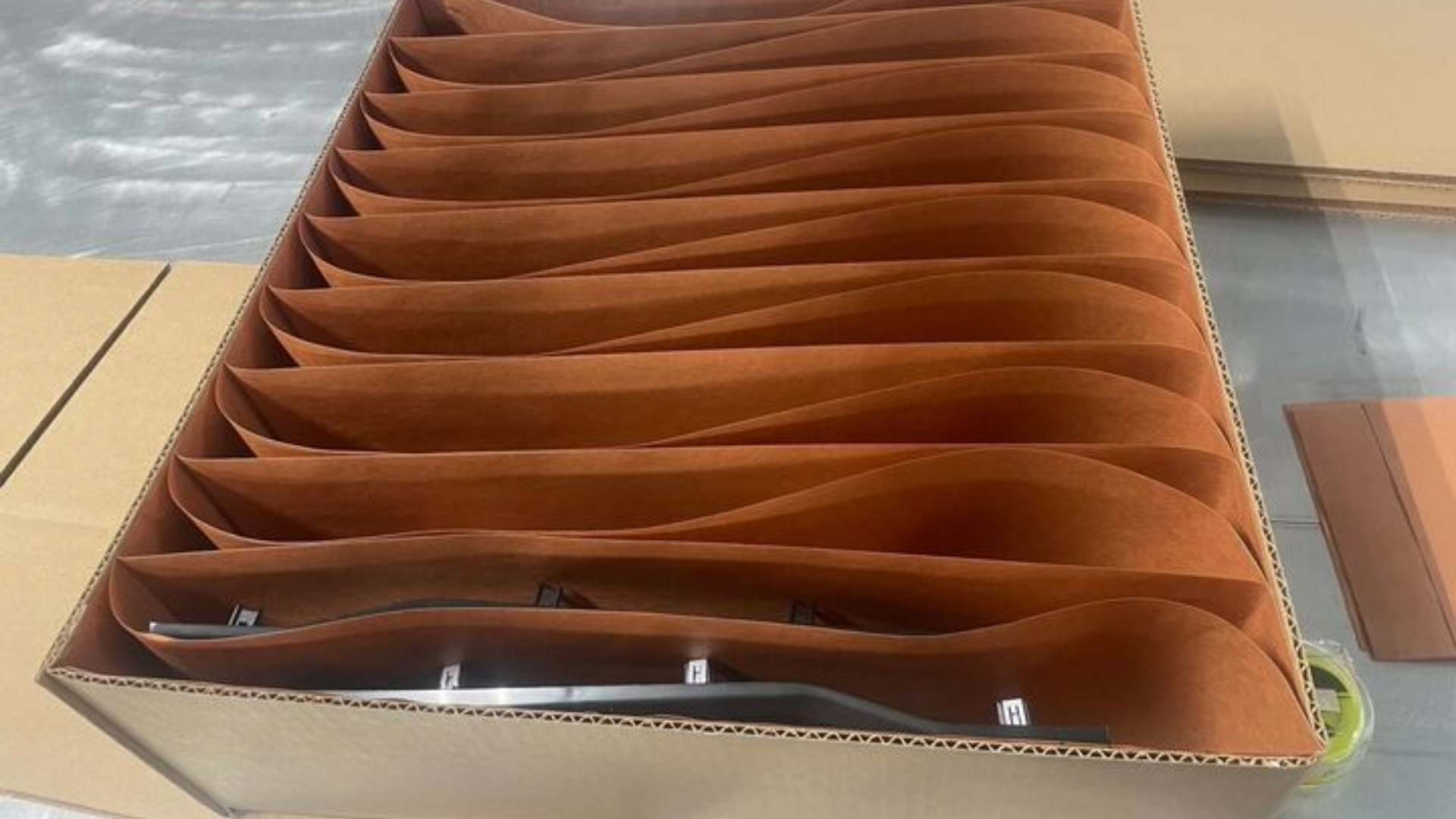
Examples of ITB's Expendable Packaging Solutions


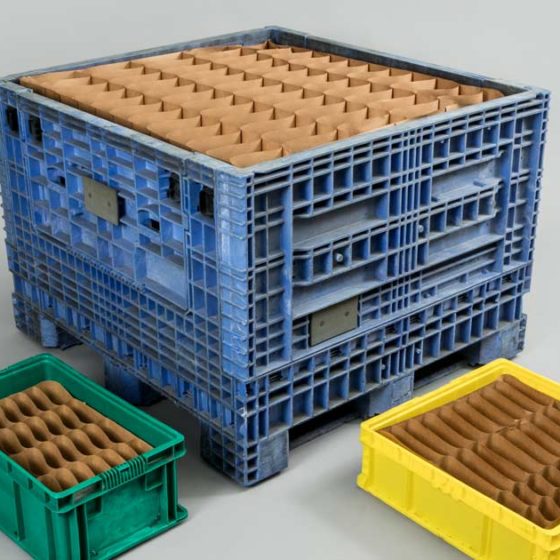



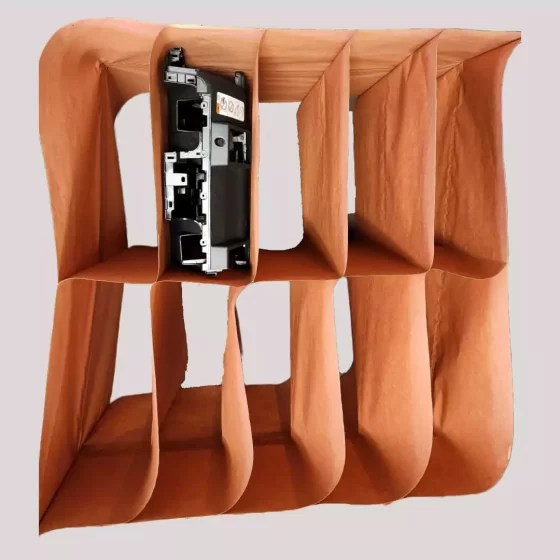
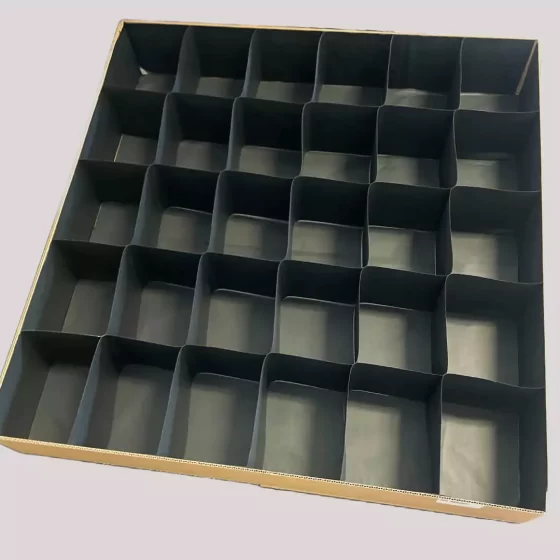


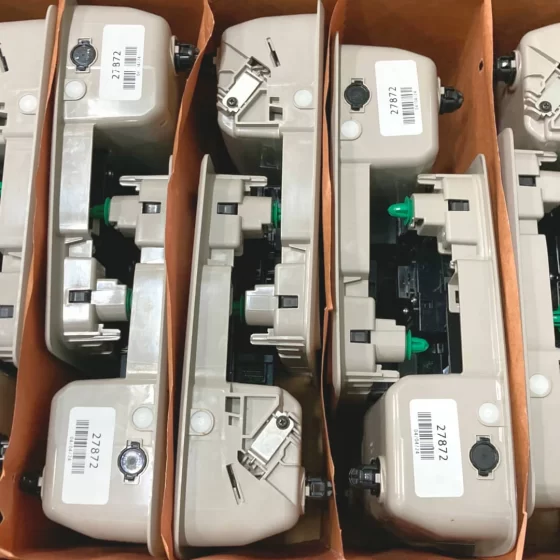

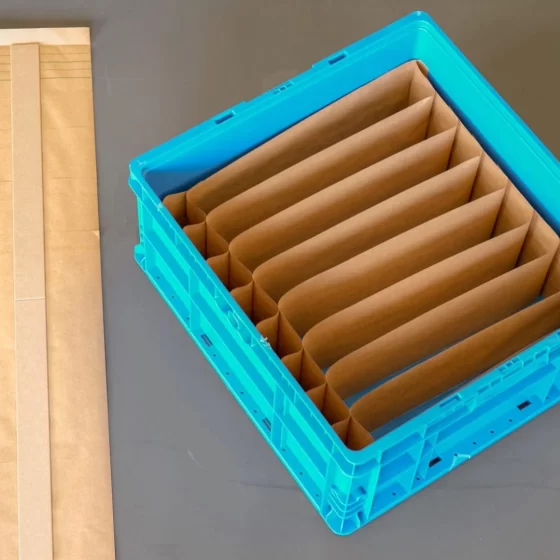



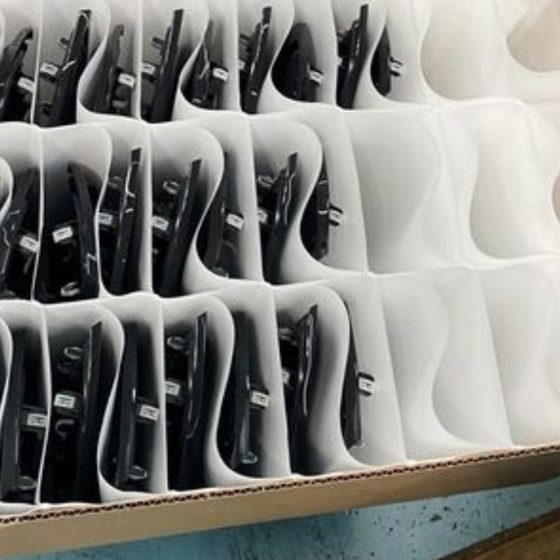
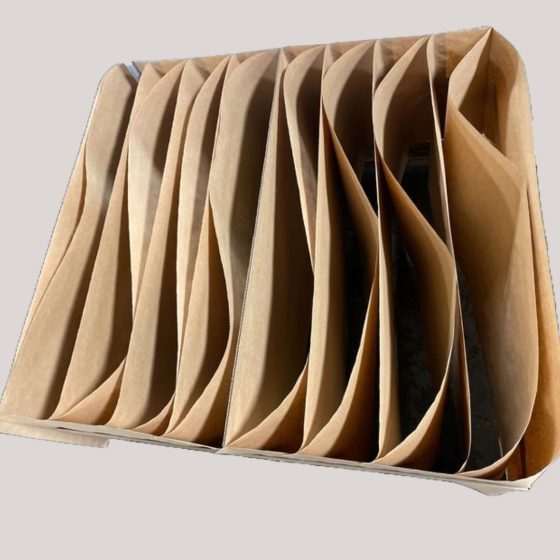






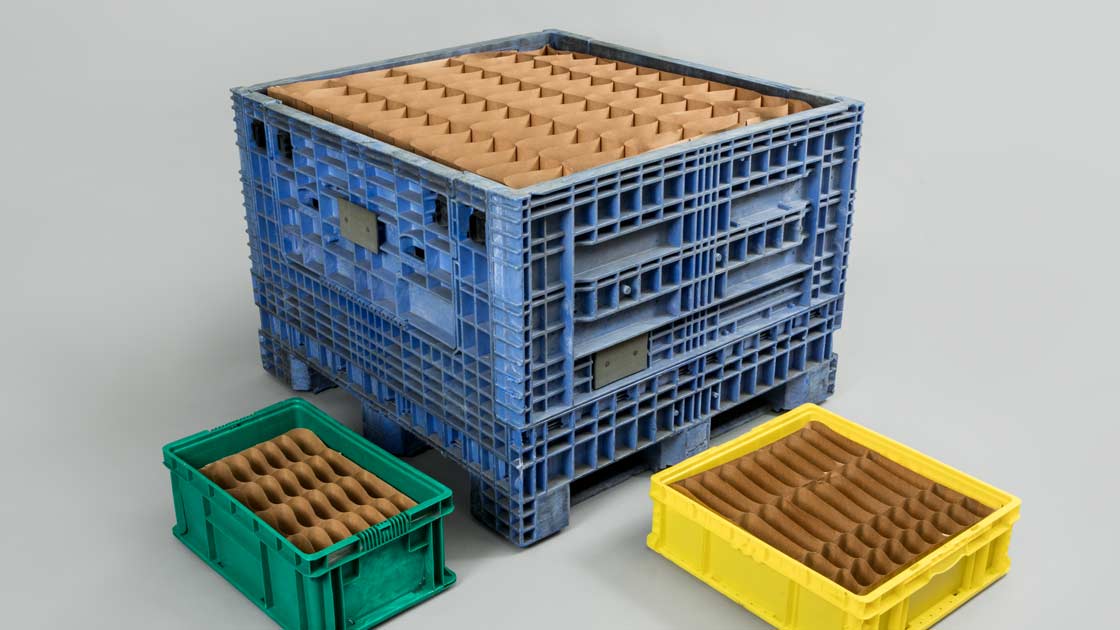













Uses of Expendable Packaging in the Automotive Industry
Expendable packaging is commonly used in automotive service parts operations, international shipping, and as a backup for returnable packaging when needed.
From delicate electronic components to robust mechanical parts, typical uses of expendable packaging in automotive supply chains include:
- Service parts operations: Expendable packaging is most commonly used for shipping replacement parts to dealerships and repair shops.
- Small electronic components: Lightweight and adaptable expendable packaging protects sensitive electronic parts during transit.
- Non-critical fasteners: Single-use packaging is suitable for shipping small, non-fragile items like nuts, bolts, and clips.
- One-time shipments of specialized parts: Expendable packaging offers flexibility for shipping unique or rarely transported components.
- International shipping: Disposable packaging is often preferred for long-distance transportation of automotive parts.
- Backup for returnable packaging: When reusable containers are unavailable, expendable packaging serves as a temporary alternative in automotive operations.
Expendable packaging’s lightweight nature and ability to conform to various product shapes make it ideal for these applications in the automotive supply chain.
To explore innovative packaging solutions that can optimize your automotive supply chain, visit our automotive packaging solutions page.
Advantages for automotive suppliers using expendable packaging include:
1. Cost-effectiveness for long-distance or infrequent shipments:
- Lower initial investment compared to returnable packaging systems
- No return shipping costs, reducing overall transportation expenses
- Eliminates the need for tracking and managing returnable containers
- Ideal for low-volume parts or infrequently shipped components
Beyond mere cost-cutting, expendable packaging represents a strategic financial approach that eliminates hidden expenses like container tracking, return logistics, and long-term storage infrastructure.
2. Flexibility for varying part sizes and shapes:
- Easily customizable to fit specific product dimensions and protection requirements
- Adaptable to changes in product design or shipping needs without significant retooling
- Allows for quick adjustments in packaging strategy as supply chain demands evolve
- Suitable for oddly shaped or oversized automotive parts that may not fit standard returnable containers
Precision in packaging is not about rigidity but about the ability to intelligently conform to the unique contours and requirements of each automotive component. See how our custom-sized cells can increase your box densities by up to 45%.
3. Additional Advantages:
- Reduced storage space requirements at supplier facilities
- Simplified inventory management of packaging materials
- Easy integration with existing packaging processes and equipment
These benefits make expendable packaging an attractive option for many automotive suppliers, particularly for certain types of parts or specific supply chain scenarios.
Disadvantages in automotive contexts:
While expendable packaging offers considerable benefits, it’s not without its environmental and operational trade-offs.
1. Environmental impact concerns:
- Increased waste generation due to single-use nature
- Higher carbon footprint from continuous production of new packaging materials
- Potential for improper disposal, leading to environmental pollution
- Challenges in meeting increasingly stringent sustainability goals set by OEMs and regulatory bodies
2. Potential for increased waste management costs:
- Ongoing expenses for purchasing new packaging materials
- Additional costs for disposal or recycling of used packaging
- Potential fees or penalties related to waste management regulations
- Increased labor costs associated with handling and disposing of packaging waste
3. Other Disadvantages:
- Limited protection for high-value or sensitive components compared to specialized returnable packaging
- Potential for inconsistent packaging quality, leading to damage during transit
- Difficulty in achieving lean manufacturing principles due to constant influx of new packaging materials
- Challenges in optimizing warehouse space with varying packaging sizes and types
These drawbacks highlight the need for careful consideration when implementing expendable packaging solutions in automotive supply chains, especially as the industry moves towards more sustainable practices.
Did you know? Our expendable packaging solutions can often be reused multiple times, depending on your specific application. See how our innovative packaging designs can extend the life of your ‘single-use’ packaging and improve your ROI.

Summary and Key Takeaways
Expendable packaging offers automotive suppliers and manufacturers a flexible, cost-effective solution for certain supply chain scenarios. Its single-use nature, material variety, and customizability make it particularly suitable for service parts operations, international shipping, and handling small or non-critical components. While it provides advantages such as lower initial investment and adaptability to varying part sizes, it also presents challenges related to environmental impact and waste management costs.
Key Takeaways:
- Expendable packaging is ideal for long-distance or infrequent shipments, offering cost-effectiveness and flexibility.
- It simplifies inventory management and reduces storage space requirements at supplier facilities.
- Environmental concerns and increasing waste management costs may be significant drawbacks to consider.
- The choice between expendable and returnable packaging should be based on specific supply chain needs, part characteristics, and sustainability goals.
While expendable packaging offers numerous benefits for automotive applications, it’s important to consider alternative solutions that may provide long-term advantages in certain scenarios. In our next article, we’ll explore returnable packaging solutions and how they compare to expendable options in the context of automotive manufacturing and supply chain management.
More from our Automotive Supply Chain Optimization Series:
Coming Soon:
- Expendable Dunnage for Automotive Packaging
- Returnable Dunnage for Automotive Packaging
- Cost-effective Packaging Ideas for Automotive Parts
- Sustainable Automotive Products Packaging
- Eco friendly Void Fill Packaging for Automotive Industry
- Automotive Parts Packaging Categories and Technical Considerations